Threads of Hope: Building Resilient Families in Sheikhpora
 snowstagco
Sheikhpora, a picturesque yet struggling village in the Shangus block of district Anantnag, is home to a diverse mix of Scheduled Tribes (ST) and Mochi’s, both of whom have historically faced socio-economic marginalization. The community is characterized by its tightly-knit families, traditional crafts, and a strong sense of cultural identity. However, poverty, lack of infrastructure, and limited access to education and economic opportunities has rendered many families vulnerable. The village is particularly challenged by its geographic remoteness, which often restricts access to government schemes and external resources. These compounded challenges have placed children at high risk of family separation due to economic distress, neglect, and insufficient parental attention to their education.
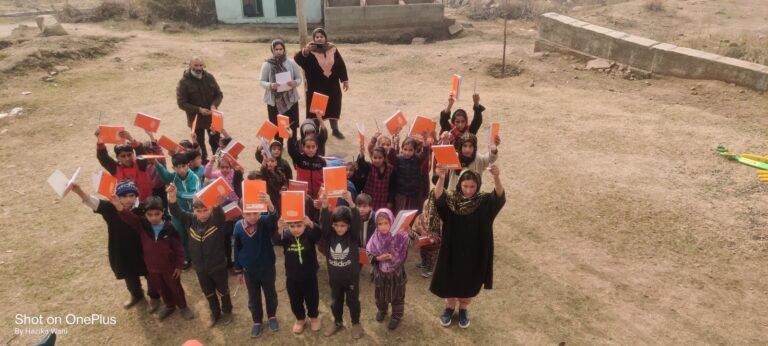
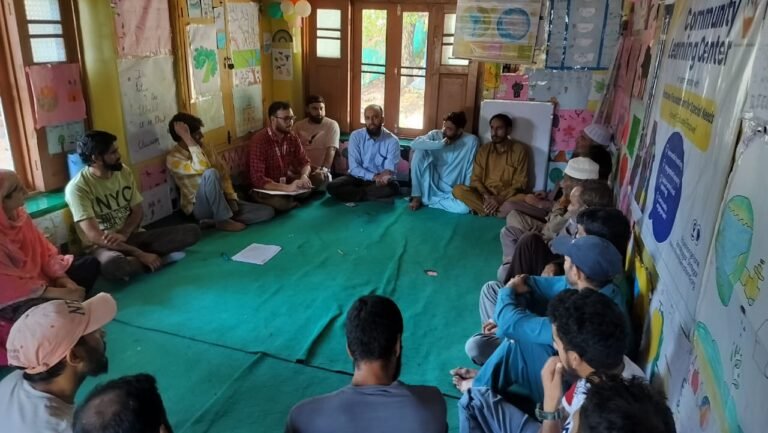
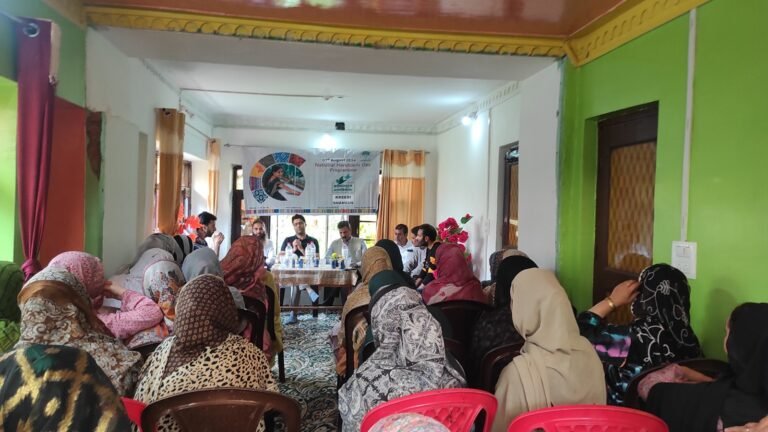
In response to these pressing issues, HUMANITY… the Ultimate Faith (HUF) launched its Family-Based Alternative Care Program, introducing a multi-faceted approach to strengthen families and prevent separations. Central to their strategy was the establishment of a community-based Child Protection Group (CPG) to foster sustainable development and implement tailored care plans for vulnerable families. The HUF team worked tirelessly to identify and verify the challenges faced by families, ensuring no need went unnoticed. Using a systematic case management approach, individualized care plans were developed and implemented. Advocacy efforts were instrumental in linking families to essential government schemes, such as the PMAY, and in mobilizing support from civil society organization (CSOs). The outcomes of this intervention were transformative. Through the PMAY scheme, 52 families received shelter, effectively preventing family separations and ensuring a stable living environment. CPG group not only supported HUF’s efforts but also demonstrated remarkable leadership by forging linkages with one of the CBOs to amplify the impact of these initiatives. A particularly inspiring example of the CPG’s leadership was their role in reconstructing a house for a family facing imminent crisis. This initiative provided immediate support to three children who were at high risk of family separation, ensuring their stability and well-being. Such actions highlighted the commitment of the CPG to not only support HUF’s interventions but to independently address urgent community needs. This collaboration resulted in significant milestones, including 37 children receiving educational sponsorships that secured their access to learning and well-being. Beyond supporting HUF’s efforts, the CPG members initiated community resilience activities. They actively promoted the establishment of a community learning center, which now serves as a hub for improving children’s academic performance. Recognizing the importance of economic empowerment, the CPG facilitated the launch of a skill development center, where 20 girls were trained in tailoring, and creating new opportunities for income generation. Livelihood support initiatives were also advanced with the CPG’s involvement, ensuring that families could begin stabilizing their economic conditions.
In addition to addressing material needs, the CPG and HUF together prioritized emotional and psychological well-being. Counseling sessions provided families with the tools to build resilience, fostering a stronger and more united community. This collaborative approach, fueled by HUF’s intervention and the CPG’s leadership, not only alleviated immediate challenges but also created a sustainable model for community strengthening. By addressing shelter, education, skill development, and emotional well-being, the partnership empowered in Sheikhpora’s residents to take charge of their futures, reinforcing the bonds of the community and preventing the risk of family separation.